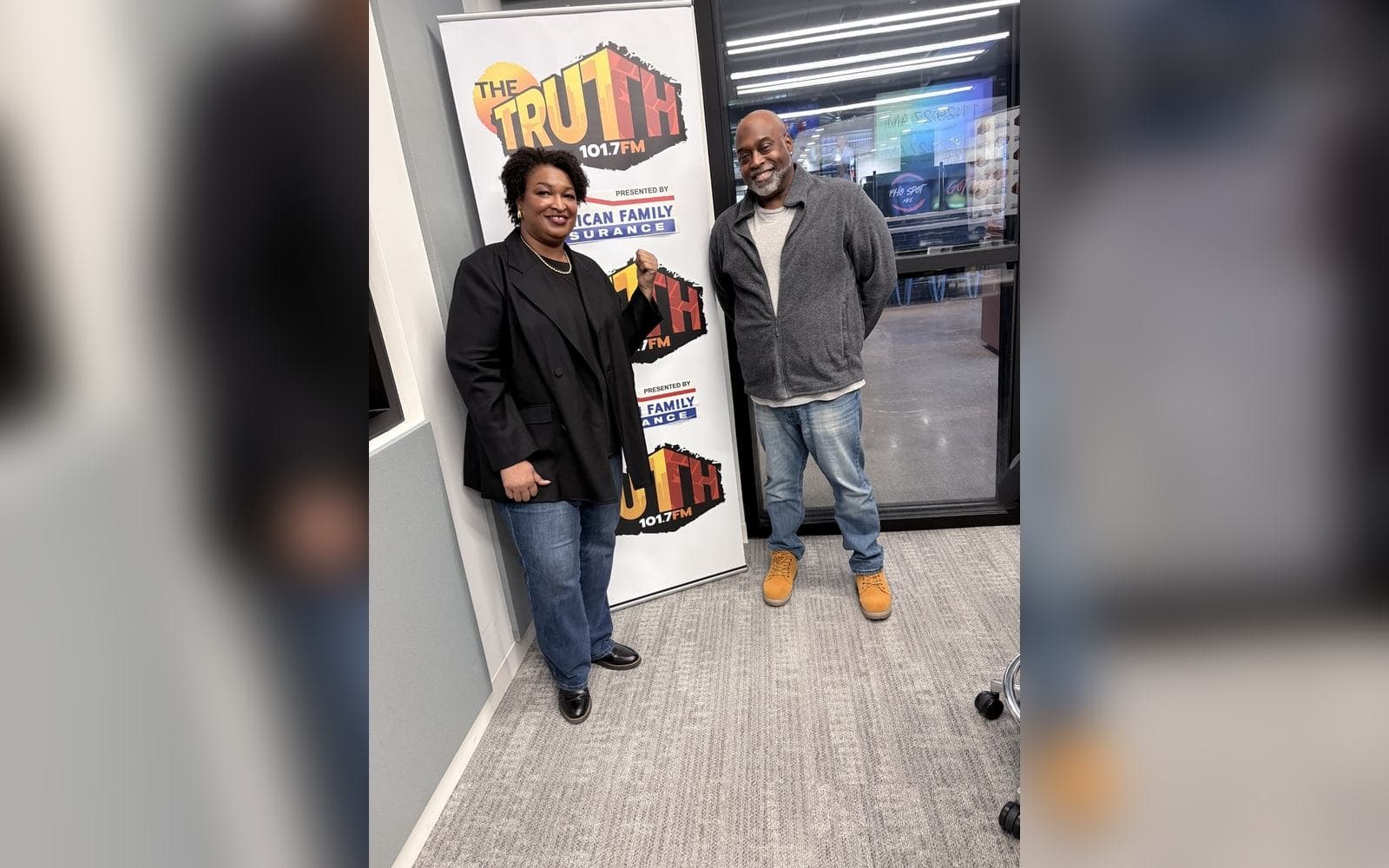
Stacey Abrams Connects Black Leadership to America's Political Future
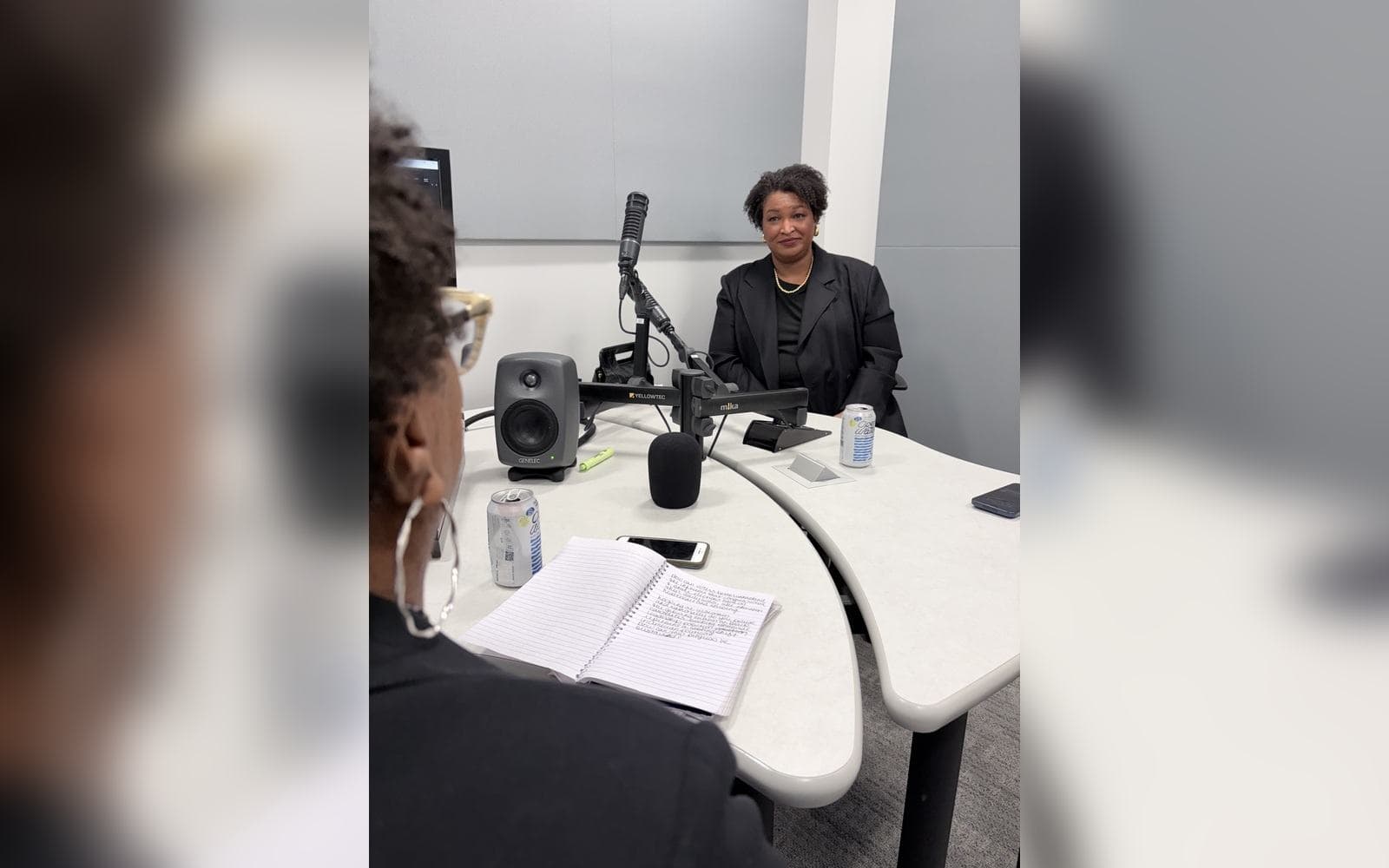
Voting rights activist, attorney, author, and former Georgia gubernatorial candidate Stacey Abrams is urging voters to recognize the importance of investing in Black leadership at every level of government.
During a discussion about Wisconsin’s political landscape, Abrams addressed the significance of Milwaukee County Executive David Crowley’s gubernatorial candidacy.
Abrams, who became a national voice on voting rights, said Black leadership in executive positions represents more than a political milestone. It also demonstrates what is possible for future generations.
“It’s difficult to create change for circumstances you are not familiar with,” Abrams said. “It’s possible, but it’s difficult because we all give priority to our own understanding.”
Abrams continued, saying David Crowley as a Black man who has navigated the travails of poverty and has been a part of the systems that he would now be responsible for executing. It is a signal to anyone who is in that space that there is opportunity and possibility.
“I am so excited because the expanded diversity of our executive authority expands our access to change, whether it’s Keisha Lance Bottoms in Georgia, Wes Moore in Maryland, David here in Wisconsin, and Jermaine Johnson in South Carolina. Every time we add someone else, we diminish the fear of difference. More than anything, it proves that America's narrative is true; it’s a good thing for all of us,” Abrams said.
However, Black candidates often face an additional challenge; she described this as the challenge of “presumed credibility,” explaining that people frequently measure what is possible by what they have seen before.
“When it comes to executive authority for Black leaders, because we have not seen it at the statewide level as often, Black candidates begin with a presumption that they aren’t going to win,” she said.
Abrams said addressing that perception requires more than simply encouraging Black candidates to run. It also requires people to invest their time, resources, and support in their campaigns.
Following her 2018 gubernatorial campaign, she said she remained concerned about the barriers voters faced and recognized that losing an election did not end her responsibility to protect the democratic process.
That commitment led to the creation of Fair Fight, a voting rights organization established to advocate for fair elections and ensure voters have the opportunity to register, cast their ballots, and have those ballots counted.
Fair Fight began in Georgia in 2020 and expanded to 20 states, including Wisconsin.
“Voter suppression is real,” Abrams said. “It's not always the big cinematic moment that we’re used to seeing on “Eyes on the Prize”; it’s an administrative task these days. It’s paperwork”.
With the midterm elections approaching, Abrams emphasized that voting should be viewed as an ongoing responsibility rather than a single act that immediately transforms the political landscape.
“The most important thing to remind people about voter engagement, especially in midterms, is that voting is not magic; it’s medicine,” she said. “Magic is a moment, wave a wand, and it’s changed. Medicine you have to take over and over, and sometimes it works, and sometimes the medicine feels worse than the harm does. But don’t stop taking the medicine.”
Voters that are searching for the perfect candidate, Abrams believes one doesn’t exist.
“I appreciate wanting a perfect candidate, but I never met a perfect person,” she said. “The fact that I never met a perfect person means I’m definitely not going to meet a perfect politician.”
Abrams emphasized that meaningful civic participation requires people to remain involved and hold elected officials accountable after they take office.
“I’m excited about November 3, but even more excited about November 4, which is when we have to do our jobs,” she said.
For those who believe politics has little relevance to their daily lives, Abrams offered a different perspective.
“When someone tells me that they’re not into politics, I say, look, you don’t have to be into politics, politics is into you, and it is a stalker,” she said. “Everything that you need in life is influenced by politics. “If we are not engaged and loud about what we need, we don’t get what we need.”
Abrams said she came to Milwaukee to support Crowley because his experience in county government and the state Assembly, combined with his personal experiences, gives him an understanding of how the government can create meaningful change for the people who need it.
“We’ve got incredible candidates,” Abrams said. “There are more Black candidates than ever before. We’ve been growing our numbers, we've been building our ranks and now it’s the opportunity for that growth to start to sprout and for people to start to see it.”
“The United States of America will be a majority minority country by 2045. That means that we have to have representation that will understand the experiences that will comprise that population. That can’t happen if we wait until then to get started.