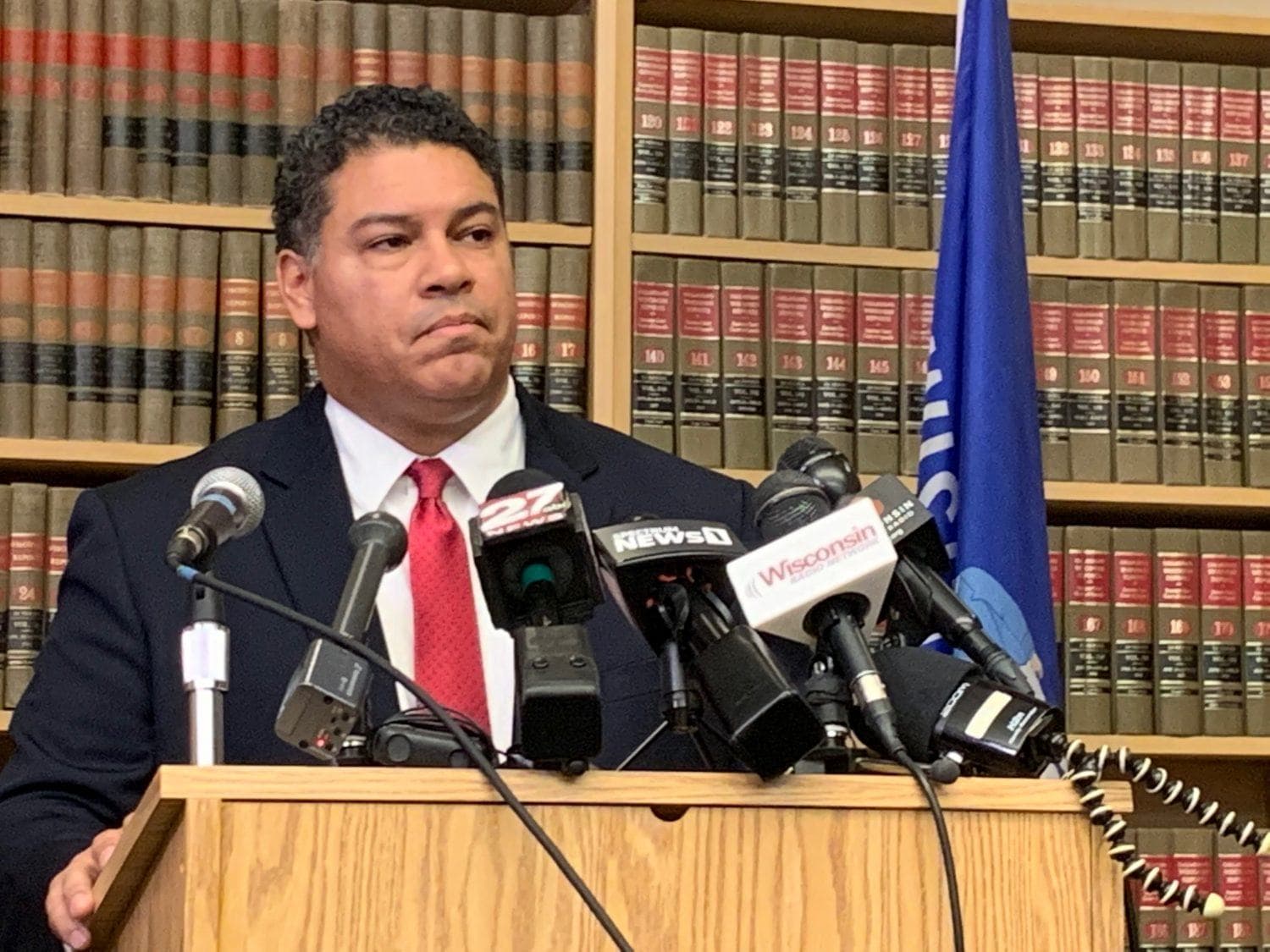
The DA is apparently announcing a decision in the Corey Ruiz case soon. Who else is involved and what can they do?
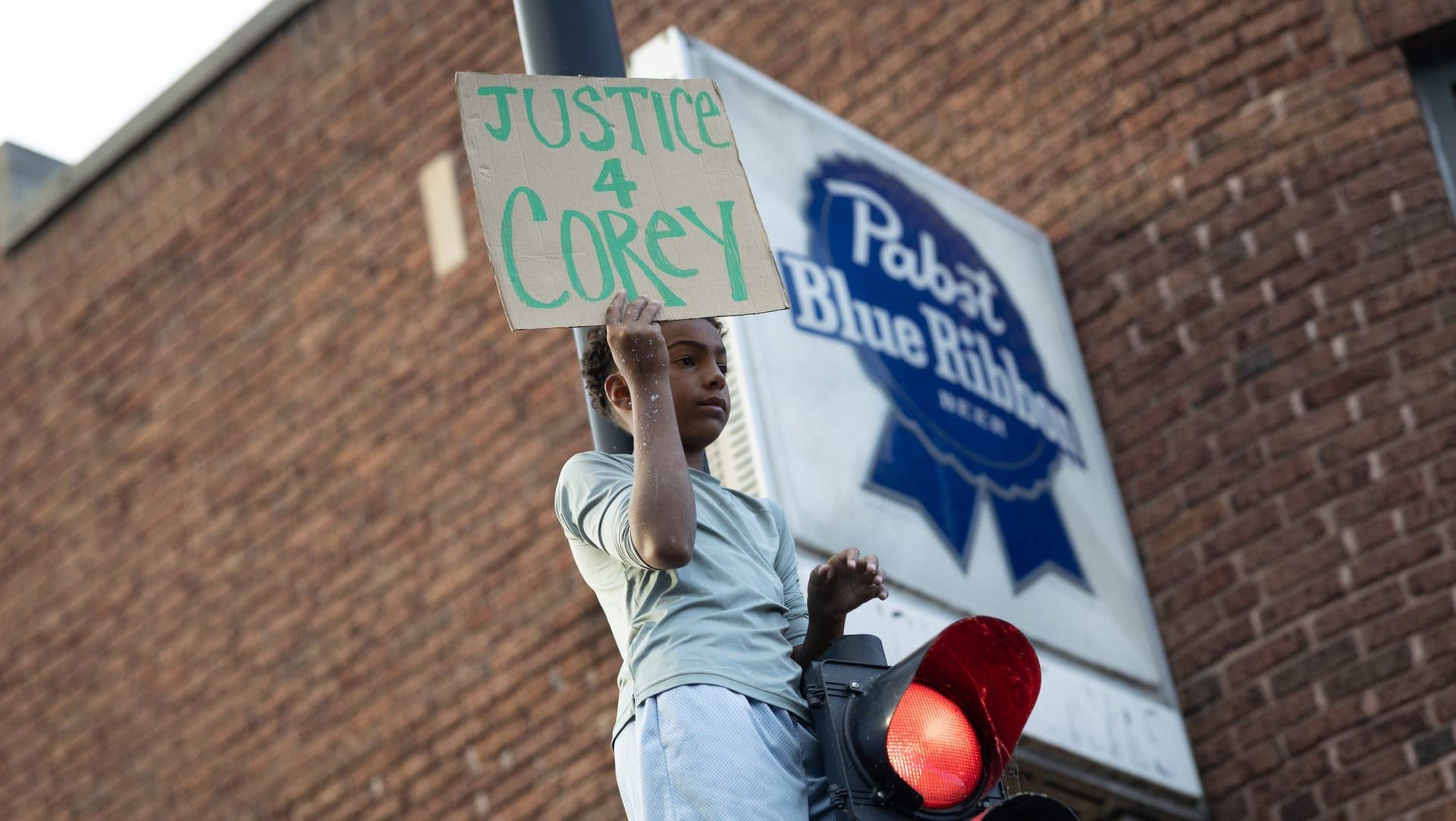
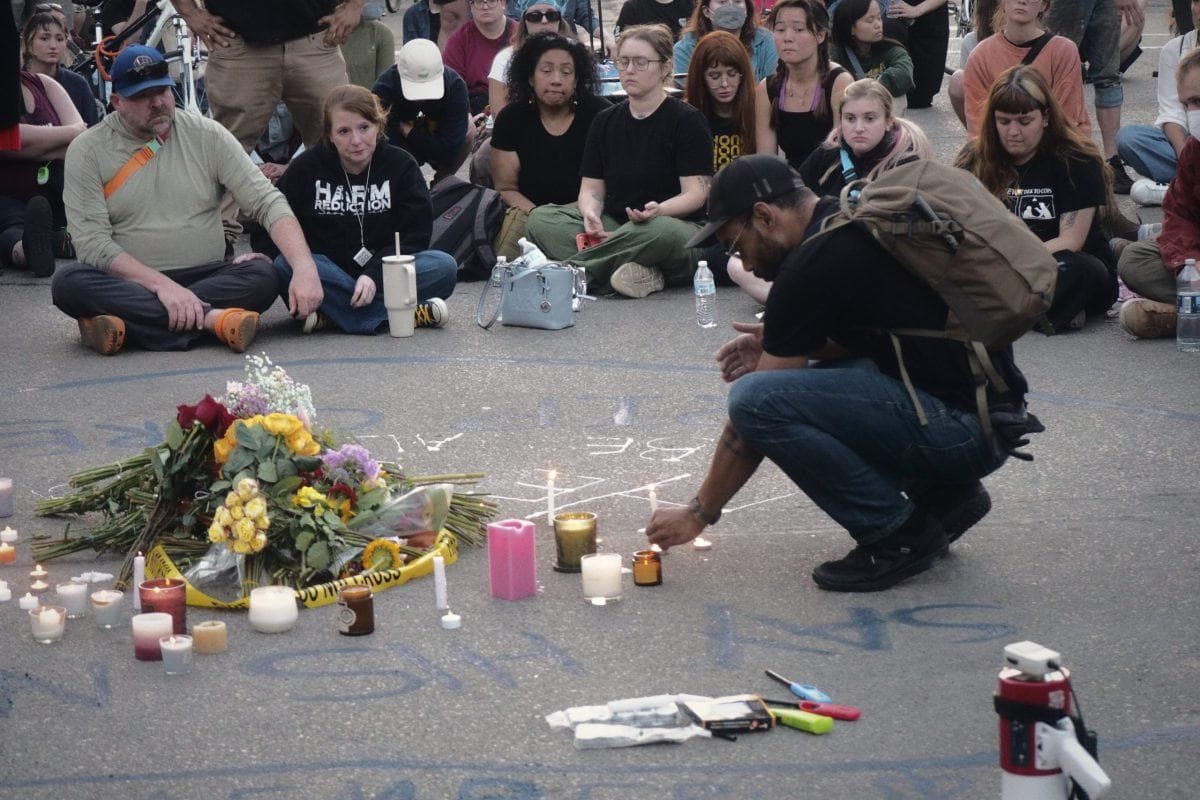
City of Madison officials have indicated to local media that they expect Dane County District Attorney Ismael Ozanne will soon announce a decision on whether to charge the officers involved in the death of Corey Ruiz on July 22. With that in mind, here is a reminder of who can do what when it comes
City of Madison officials have indicated to local media that they expect Dane County District Attorney Ismael Ozanne will soon announce a decision on whether to charge the officers involved in the death of Corey Ruiz on July 22. With that in mind, here is a reminder of who can do what when it comes to discipline of police officers.
What the state Division of Criminal Investigation can do
Wisconsin state law requires any officer-involved deaths to be investigated by a law enforcement agency that does not employ the officers involved. In this case, that agency is the state Division of Criminal Investigation (DCI), within the state Department of Justice (DOJ).
DCI can not recommend charges, but can conduct a thorough investigation and provide their findings to the Dane County District Attorney, which they did a few weeks ago.
Exec Editor Rob Chappell explains it all:
What the DA can do
The district attorney can bring criminal charges against police officers when they break the law, and when the district attorney believes he can win a conviction. The DA can believe police officers broke department policy, can believe what they did was morally wrong, can even believe they broke the law, but usually will not bring a prosecution unless he believes he can convince a jury that they broke the law.
Dane County’s current District Attorney has never prosecuted a police officer for their conduct in the line of duty. To convict a police officer for any use of force is a very high bar. Like in any case where someone harms or kills someone and claims self-defense, the defendant only needs to demonstrate that a reasonable person would have feared for their own life or feared grievous injury.
We don’t yet have access to all the evidence that Ozanne is considering as he nears his decision. We don’t have access to DCI’s findings. But Madison police have indicated that Ruiz was armed with a knife, and people who knew him have said that since he was homeless, he often carried a kitchen knife for his own protection. The presence of that knife could make it possible for the officers to claim in their defense that a reasonable person could have feared for their life or feared grievous injury.
Generally speaking, that self-defense standard applies only to the moment in which the officer acted; in this case, that’s the moment Kiel Baitinger-Peterson shot Corey Ruiz three times.
A recent Supreme Court decision, Barnes v. Felix, holds that a court must consider “all relevant circumstances” leading up to that moment to assess whether the officer acted reasonably. However, that decision only applies directly to civil lawsuits against the officers. In other words, Ruiz’s family may have more latitude to sue and win a lawsuit against Baitinger-Peterson, and if they do, a court should consider that Madison police chased Ruiz, knocked him off of his bike and tased him. But those circumstances may not be relevant to a criminal prosecution.
If Ozanne chooses not to prosecute, state law requires him to publish DCI’s findings.
What the Office of the Independent Monitor can do
The Office of the Independent Monitor (OIM) can pursue its own investigation concurrent with DCI’s. However, the City of Madison’s attorney has decided they cannot have access to evidence that has been turned over to DCI until DCI has concluded its investigation.
The OIM has no real authority or power over the police. They cannot prosecute officers nor can they fire or discipline officers. They may conclude that officers acted unlawfully, but can only report that to MPD and to the public; they can’t take any action on those conclusions. They can also recommend policy changes to MPD but cannot enforce any policy changes.
They can, however, appoint an attorney, and pay for the first $15,000 of that attorney’s fees, to represent complainants before the Police and Fire Commission. Similar to the DA’s duty to bring a prosecution only if he feels he can win a conviction, the OIM, according to city ordinance, can only appoint an attorney if the independent monitor believes that the complainant has a justifiable case against a police officer.
Which brings us to …
What the Police and Fire Commission can do
The Police and Fire Commission (PFC) is the only entity that can fire, suspend or demote police officers and firefighters, and they can only do so after a complaint is brought and they hold a hearing on the complaint. Neither the police chief, nor the mayor, nor the Common Council nor the OIM can fire a police officer or order that a police officer be fired.
The PFC does not conduct or supervise any investigations into police conduct. The only investigation they do is when a complaint is brought to determine whether the complainant has standing to bring the complaint, and whether the PFC has jurisdiction to hear the complaint.
Complaints can be brought by any “aggrieved person,” which usually means someone who alleges they are a member of their family have been harmed by police. Complaints can also be brought by a member of the PFC.
In almost every case, though, the person bringing the complaint is the chief of police, or the fire chief.
In most cases of police misconduct, the police chief brings a complaint before the PFC. In these cases, the PFC acts a lot like a court. The CIty Attorney’s office represents the police chief, acting in many ways as a prosecutor; the police officer is also represented by an attorney, usually provided by the police union, and acts in many ways like a defendant in court.
The PFC conducts a hearing wherein both sides present evidence and witnesses to support their case. In deciding whether to discipline or fire an officer, the PFC must consider a number of questions as defined in state statute:
- Could the officer reasonably have known the likely consequences of the conduct?
- Is the rule or order the officer allegedly broke reasonable?
- Before filing the charge, did the chief make a reasonable effort to find out whether the officer actually broke it?
- Was that investigation fair and objective?
- Did the chief find substantial evidence of the violation?
- Is the chief applying the rule fairly and without discriminating against this officer?
- Does the discipline fit how serious the violation was and the officer’s service record?
As you can see, state statute assumes the person bringing the complaint is the chief of police. In those cases, it is usually the City Attorney’s Office “prosecuting” the case, trying to convince the PFC that the standard for firing an officer has been met and that the officer should be fired, suspended or demoted. In the case of an “aggrieved person” bringing a complaint, it would be their attorney “prosecuting,” and that attorney could be appointed by the OIM.
Madison’s OIM has so far appointed just one such attorney, to represent Sharon Irwin before the PFC as she requests the firing of Officer Matthew Kenny, who shot and killed her grandson Tony Robinson in March 2015. That appointment was made in mid-October and the complaint has not yet been filed.
The local organization Blacks for Political and Social Action, represented by its president, attorney and former prosecutor David Hart, has filed a complaint with the PFC in the case of the Corey Ruiz shooting. They argue that the entire community, and especially Madison’s Black community, are aggrieved due to the very public nature of the shooting – it took place at a busy intersection in the middle of the day, and was witnessed by many people directly, and by many more through cell phone video.
The PFC is currently considering whether BPSA can claim to be “aggrieved persons” for the purposes of bringing a complaint. BPSA has filed briefs making the case that they are, and that the PFC has not only the right but the duty to hear their case against Baitinger-Peterson, and to render a decision. The next hearing on that case is set for December 2.
So what’s next?
Whenever Ozanne announces his decision, we’ll be there and report whatever he decides. If he does choose to prosecute, for homicide or any other charges, the trial would likely take place early next year, and would probably not take place in Dane County. If he chooses not to prosecute, we will take a look at DCI’s investigative findings and report on those.
In the meantime, BPSA will continue their case before the PFC and try to convince the PFC to fire Baitinger-Peterson. Additionally, it is likely that MPD’s Professional Standards and Internal Affairs division will offer some form of investigative findings to Police Chief John Patterson. While PSIA cannot determine whether crimes were committed – state law says that has to come from an outside agency – PSIA can determine whether officers violated department policies. OIM could also continue its investigation, though since the Common Council terminated the appointment of Interim Independent Monitor Aeiramique Glass, that seems unlikely at this point. Based on the PSIA investigation, any OIM investigation, or both, Patterson could decide to restore Baitinger-Peterson and the three other officers present to full active duty, or could bring a case to the PFC that one or more of those officers should be disciplined or dismissed.
Whatever happens, we will be keeping a close eye and will report as much as we can as the process continues.

Madison365 is a news outlet covering communities of color in Wisconsin.

More from Robert Chappell